




What Is the Best Mulch for Edmonton Gardens?
Published: November 2025 | Author: Serene Landscaping | Reading time: 9 min
For most Edmonton beds, shredded bark mulch at 2–3 inches is the best balance of weed suppression, moisture retention, and cost, typically about $30 – $60 per cubic yard in bulk.
Here's everything you need to know about choosing, applying, and maintaining mulch in Edmonton gardens.
Why Use Mulch in Edmonton Gardens?
Weed suppression:
- Blocks sunlight that weed seeds need to germinate
- Reduces weeding time by 60-80%
- Prevents weed establishment
Moisture retention:
- Reduces evaporation by 50-70%
- Keeps soil consistently moist
- Reduces watering frequency
- Critical during Edmonton's dry summers
Temperature regulation:
- Insulates soil from temperature extremes
- Keeps roots cooler in summer
- Protects roots from freeze-thaw cycles in spring/fall
- Moderates soil temperature
Soil improvement:
- Organic mulches decompose, adding nutrients
- Improves soil structure over time
- Encourages beneficial organisms
Visual appeal:
- Clean, finished appearance
- Defines garden beds
- Adds color and texture
- Professional landscape look
Erosion control:
- Protects soil during heavy rain
- Prevents soil washing away on slopes
- Keeps soil in place
Best Mulch Types for Edmonton
Cedar Mulch
Cost: $40 – $60 per cubic yard
Pros:
- Natural insect repellent (cedar oils)
- Pleasant aroma
- Attractive reddish color
- Decomposes slowly (lasts 2–3 years)
- Lightweight
Cons:
- More expensive than other wood mulches
- Acidic (can lower soil pH)
- Color fades over time
Best for: Perennial beds, around trees/shrubs, areas with pest problems.
Spruce/Pine Bark Mulch
Cost: $30 – $50 per cubic yard
Pros:
- Widely available in Edmonton
- Good moisture retention
- Natural appearance
- Moderate decomposition rate
- Good value
Cons:
- Acidic (benefits acid-loving plants)
- Can float during heavy rain
- Some products contain wood chunks (inconsistent size)
Best for: Perennial gardens, shrub beds, woodland gardens, acid-loving plants (rhododendrons, azaleas).
Hardwood Bark Mulch
Cost: $30 – $50 per cubic yard
Pros:
- Dark color (complements plantings)
- Stays in place better than pine bark
- Good weed suppression
- Decomposes moderately
Cons:
- Can tie up nitrogen as it decomposes
- May need nitrogen supplement
- Heavier than softwood mulches
Best for: Formal gardens, vegetable gardens (with nitrogen supplement), high-visibility areas.
Wood Chips
Cost: $20 – $40 per cubic yard (sometimes free from tree services)
Pros:
- Very inexpensive or free
- Excellent weed suppression
- Good for pathways
- Long-lasting
Cons:
- Coarse texture (less attractive)
- Takes nitrogen from soil as it decomposes
- Not ideal for formal gardens
Best for: Pathways, woodland gardens, utility areas, around trees.
Straw/Hay
Cost: $8 – $15 per bale
Pros:
- Excellent for vegetable gardens
- Inexpensive
- Easy to spread
- Decomposes quickly (adds organic matter)
Cons:
- Blows away in wind
- Can contain weed seeds (hay especially)
- Needs annual replacement
- Not attractive in formal gardens
Best for: Vegetable gardens, annual beds, temporary applications.
Compost
Cost: $30 – $50 per cubic yard
Pros:
- Adds nutrients as mulch
- Improves soil structure
- Dark, rich appearance
- Excellent for vegetable gardens
Cons:
- Decomposes quickly (needs frequent replenishment)
- Can compact over time
- May contain weed seeds if not properly composted
- Less effective for weed suppression than bark mulch
Best for: Vegetable gardens, annual beds, mixing with other mulches.
Rubber Mulch
Cost: $100 – $150 per cubic yard
Pros:
- Never decomposes (permanent)
- Excellent weed suppression
- Available in many colors
- Good for playgrounds
Cons:
- Expensive
- Doesn't improve soil
- Can heat up in sun (harmful to plants)
- Not recommended for plant beds
Best for: Playgrounds, pathways, non-planting areas. Not recommended for garden beds.
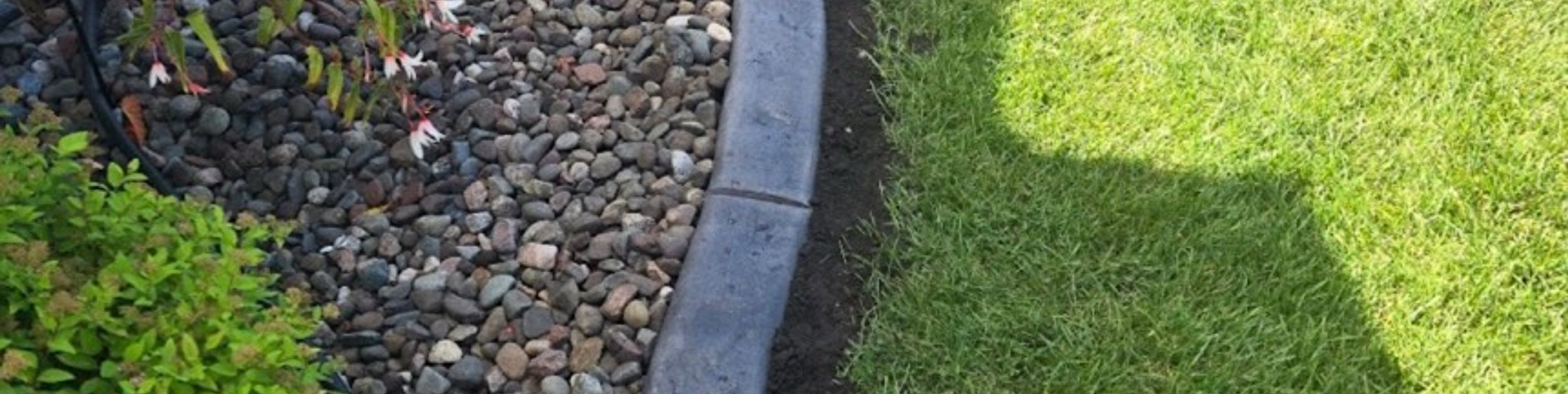
Stone/Gravel Mulch
Cost: $40 – $80 per cubic yard
Pros:
- Permanent (doesn't decompose)
- Excellent drainage
- Low maintenance
- Modern aesthetic
Cons:
- Doesn't improve soil
- Can heat up in sun
- Difficult to remove if you change design
- Weeds can still grow through
Best for: Xeriscape gardens, cactus/succulent beds, modern landscapes, drainage areas.
How Much Mulch Do You Need?
Recommended depth:
- 2–3 inches: Standard for most garden beds
- 3–4 inches: Heavy weed areas or dry soil
- 4–6 inches: Pathways
Don't mulch too deep: Over 4 inches can suffocate plant roots and prevent water penetration.
Calculating quantity:
Formula: Length (ft) × Width (ft) × Depth (ft) ÷ 27 = Cubic yards needed
Example calculation:
- Garden bed: 20 feet × 10 feet
- Mulch depth: 3 inches (0.25 feet)
- Calculation: 20 × 10 × 0.25 ÷ 27 = 1.85 cubic yards
- Order 2 cubic yards
Quick reference table:
- 100 sq ft at 2" depth: 0.6 cubic yards
- 100 sq ft at 3" depth: 1 cubic yard
- 500 sq ft at 3" depth: 5 cubic yards
- 1,000 sq ft at 3" depth: 10 cubic yards
When to Apply Mulch in Edmonton
Spring mulching (May-June):
Best timing: Late May after soil has warmed
Why wait? Mulching too early prevents soil from warming, delaying plant growth.
Spring tasks:
- Remove old mulch if matted or diseased
- Weed thoroughly before mulching
- Apply 2–3 inches fresh mulch
- Keep mulch away from plant stems (prevents rot)
Fall mulching (October-November):
Best timing: Late October after plants go dormant
Purpose: Insulate roots over winter
Fall tasks:
- Clean up garden beds
- Apply 3–4 inches mulch around perennials
- Protect newly planted trees/shrubs with mulch ring
Don't mulch too early in fall: Wait until plants are fully dormant. Early mulching keeps soil warm, delaying dormancy.
Proper Mulching Technique
1. Prepare the bed:
- Remove all weeds thoroughly
- Edge bed boundaries cleanly
- Add compost if needed
2. Apply landscape fabric (optional):
- Use only under stone mulch
- Not recommended under organic mulches (prevents decomposition from benefiting soil)
3. Spread mulch evenly:
- 2–3 inches depth
- Deeper near bed edges (prevents erosion)
- Level surface
4. Keep mulch away from plant stems:
- Leave 2–3 inch gap around stems
- Prevents stem rot
- Reduces pest problems
- Critical around trees (no mulch volcanoes!)
5. Water thoroughly:
- Settles mulch
- Activates decomposition
Mulch Maintenance
Annual tasks:
- Remove and replace if matted or diseased
- Fluff existing mulch with rake
- Add 1–2 inches to maintain depth
- Pull weeds that establish (few if mulch is adequate)
Every 2–3 years:
- Remove old mulch if excessively decomposed
- Replace with fresh mulch
- Consider changing mulch type if needed
Common Mulching Mistakes in Edmonton
Mistake #1: Mulch volcanoes around trees
Piling mulch against tree trunks causes:
- Bark rot
- Pest infestation
- Disease
- Root problems
Solution: Keep 2–3 inch gap between mulch and trunk.
Mistake #2: Mulching too early in spring
Problem: Prevents soil from warming, delaying plant growth.
Solution: Wait until late May when soil has warmed.
Mistake #3: Using too much mulch
Problem: Over 4 inches suffocates roots, prevents water penetration.
Solution: Stick to 2–3 inches for beds, 4–6 inches for paths.
Mistake #4: Using landscape fabric under organic mulch
Problem: Prevents decomposing mulch from enriching soil.
Solution: Skip fabric under organic mulches. Use only under stone/gravel.
Where to Buy Mulch in Edmonton
Options:
- Landscape supply yards (bulk, best prices)
- Garden centers (bagged, convenient for small areas)
- Tree services (free wood chips sometimes available)
Bulk vs. bagged:
Bulk (by cubic yard):
- Much cheaper for large areas
- Delivery available
- Fresher product
Bagged:
- Convenient for small areas
- Easy transport in car
- More expensive per volume
Professional landscape design services include mulch application.
FAQ: Mulch for Edmonton Gardens
Q: What's the best mulch for Edmonton gardens?
A: Cedar or spruce bark mulch works well for most Edmonton gardens. Cedar repels insects and lasts longer. Spruce bark is less expensive and widely available. Both handle freeze-thaw cycles well.
Q: How much does mulch cost in Edmonton?
A: Bulk mulch costs $30 – $60 per cubic yard depending on type. Bagged mulch costs $4 – $8 per 2 cubic foot bag ($54 – $108 per cubic yard equivalent).
Q: How often should I replace mulch?
A: Add 1–2 inches annually to maintain depth. Completely replace mulch every 2–3 years or when excessively decomposed or matted.
Q: When should I apply mulch in Edmonton?
A: Late May (spring) after soil warms or late October (fall) after plants go dormant. Don't mulch too early in spring - it prevents soil warming.
Q: How deep should mulch be?
A: 2–3 inches for garden beds, 4–6 inches for pathways. Don't exceed 4 inches in planting beds - it can suffocate roots.
Q: Should I use landscape fabric under mulch?
A: No for organic mulches (prevents soil enrichment). Yes for stone/gravel mulch (provides weed barrier).
Q: Can I use wood chips from tree services?
A: Yes, wood chips work well for pathways and around trees. Not ideal for formal beds due to coarse appearance. May tie up nitrogen as they decompose.
Q: Does mulch attract pests?
A: Properly applied mulch doesn't attract pests. Keep mulch 2–3 inches away from building foundations and plant stems to prevent pest problems.
If you are ready for mulch and bed prep, we are here to help.
Contact Serene Landscaping today for a free quote on mulch and landscape installation!