




How Do You Build a Low Maintenance Front Yard in Edmonton?
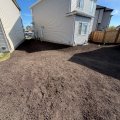
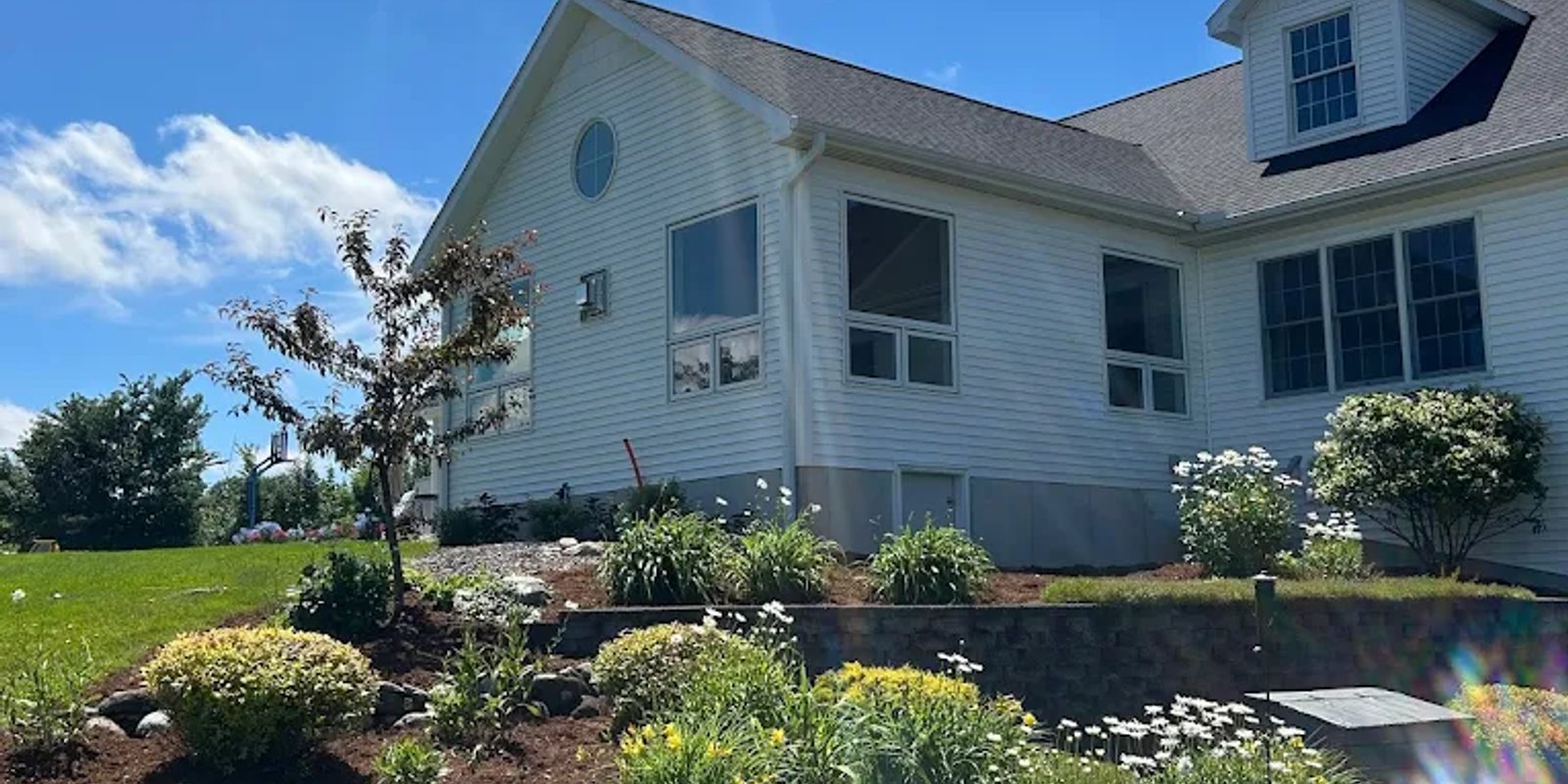
Reduce lawn first and replace high-work areas with mulch beds, paving, and hardy Zone 4 plants, with most front-yard redesigns landing around $5,000-$20,000+.
The fix is not more effort. It is better design choices. Match materials and plants to Edmonton's climate, Zone 4 winters, clay-heavy soil, and dry summers, and the yard largely runs itself. Get those choices wrong and you are fighting your own landscaping every season.
Here is what actually works.
Start With Less Grass, Not More Plants
The most effective low maintenance move in an Edmonton front yard is not choosing the right plants first. It is reducing how much grass you maintain.
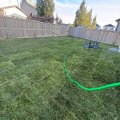
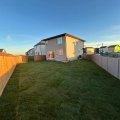
Grass means weekly mowing from May through September, edging, fertilizing, watering through drought, and fall cleanup. Replace even a third of that lawn with paving stones, mulch beds, or groundcover and you permanently cut your weekly time commitment.
Paving stone pathways and accents ($35-$45 per sq ft installed) serve two purposes: they direct foot traffic away from lawn areas and eliminate mowing and trimming around high-wear zones. A well-placed paved walkway from the driveway to the front door, with planted beds on either side, is often the highest-impact change you can make.
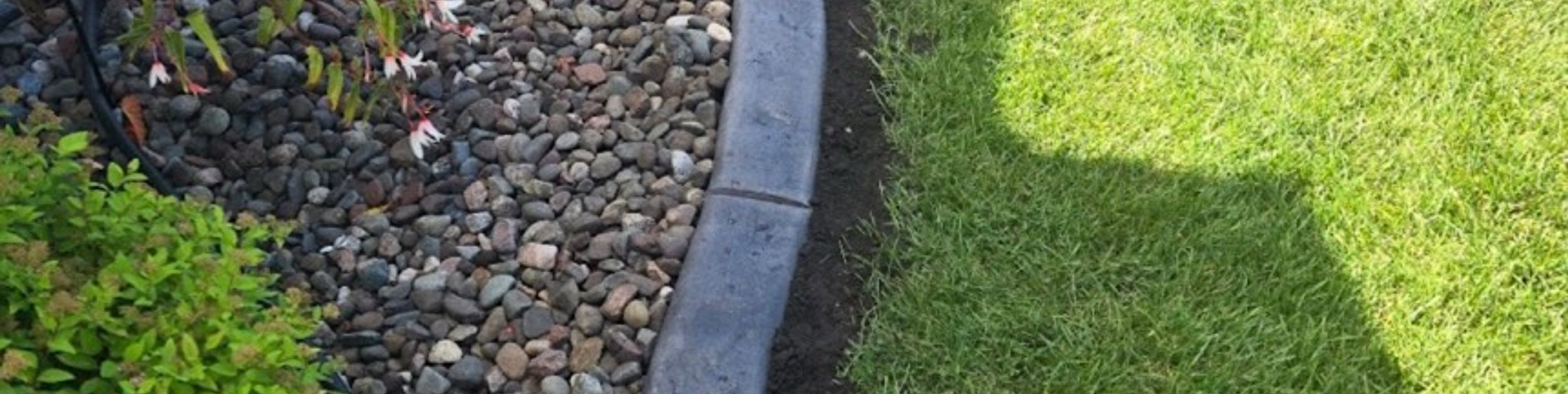
Mulch beds hold moisture in Edmonton's clay soil, suppress weeds by blocking light, and define planting areas cleanly. Quality shredded hardwood mulch needs refreshing once a year. Pair it with steel or composite edging set deep enough to stop grass roots and those beds stay clean with minimal effort.
Rock and gravel beds work especially well in sunny south-facing front yards in newer developments like Windermere, Secord, and Rosenthal, where summer heat is intense and watering pressure is real. They drain quickly, look sharp year-round, and never need cutting.
Plants That Actually Survive Edmonton
Edmonton is Zone 4, and hard winters can push some areas toward Zone 3 conditions. Many plants sold at garden centers will not survive long term. The plants that are reliably hardy here do not just survive, they perform.
Hardy perennials that come back reliably:
- Purple coneflower (Echinacea): blooms July through September, drought-tolerant once established, reseeds naturally
- Black-eyed Susan (Rudbeckia): bright yellow color, long bloom season, thrives in clay with minimal amendment
- Yarrow: spreads to fill space, handles dry spells, available in white, yellow, and pink
- Liatris (blazing star): vertical purple spikes from mid-summer, native to prairie conditions, low-input once established
- Sedum (Autumn Joy): succulent foliage, pink clusters in fall, survives without winter protection
- Russian sage: silvery foliage, lavender blooms, very drought-tolerant, adds texture from June through frost
Ornamental grasses for structure without work:
- Karl Foerster feather reed grass: upright, architectural, stays intentional through winter, cut back once in spring
- Blue oat grass: steel-blue color, low habit, strong front-yard border plant
- Prairie dropseed: fine texture, golden fall color, native and low-input once established
Shrubs that hold their shape:
- Potentilla: flowers all summer, minimal shaping, thrives without heavy irrigation
- Dwarf Korean lilac: compact, fragrant, does not overgrow like standard lilacs
- Spirea (Little Princess or Gold Mound): low spreading form, minimal pruning, clean edges
- Mugo pine: year-round structure, no leaf cleanup, reliable in Zone 3-4
What to avoid: Plants labeled Zone 5 or warmer. Burning bush, English lavender, and many warm-climate ornamental grasses can look great for one season and fail over winter.
Groundcover Where Grass Does Not Perform
Shaded areas under trees, narrow strips along fences, and corners where grass stays thin are high-maintenance zones. Groundcover often performs better with less effort.
Creeping thyme fills sunny, dry spaces, gives off fragrance when brushed, and needs occasional edge trimming.
Clover stays greener through dry stretches, contributes nitrogen naturally, and handles normal foot traffic. Mixed clover and grass is typically lower maintenance than pure grass for Edmonton front yards.
Moss can work in shaded north-facing areas where grass repeatedly struggles.
Irrigation That Removes Daily Chores
Dragging a hose around the front yard every few days is exactly what makes a yard feel like work. A basic drip irrigation setup, lines run through beds under mulch, waters roots efficiently with no runoff and no daily decisions. Set a timer and it runs automatically.
For most Edmonton front yards, drip irrigation for planted beds plus a reduced lawn area significantly cuts total watering time.
What Seasonal Maintenance Actually Looks Like
A properly designed low maintenance front yard has two main maintenance windows.
Spring (late April-May): Cut back ornamental grasses and perennials left over winter. Clear beds, top up mulch, and re-edge where needed. Most yards can be handled in half a day.
Fall (October): Clear leaves from paving stones and beds. Cut back annuals. Leave hardy perennials standing for winter protection and structure, then cut them back in spring.
Weekly through summer: Mow the lawn area that remains. With less turf and stronger planting beds, this takes a fraction of the time.
What It Costs
- Mulch beds with edging (replacing lawn strips or foundation planting): $500-$2,000
- Paving stone front walkway: $3,500-$7,000
- Full front yard redesign (sod removal, beds, pathway, planting): $5,000-$20,000+
- Plant installation (shrubs and perennials for a typical front bed): $800-$3,000
A front yard redesign done once, with the right plants and materials for Edmonton's climate, costs more upfront than one season of lawn care. Over 2-3 seasons, time savings and reduced input costs usually narrow that gap.
For broader budgeting across full projects, see full yard landscaping costs in Edmonton.
Low Maintenance Front Yard FAQs - Edmonton
What's the most effective first step for an Edmonton homeowner who wants less maintenance but does not want to redo everything at once? Replace the highest-maintenance lawn zone first, usually low-use strips that still require constant mowing and edging. Foundation plantings, fence-line strips, and boulevard sections are common candidates. Converting these to mulch beds with hardy perennials cuts weekly work quickly without a full redesign.
How does Edmonton's clay soil affect plant selection and bed preparation for low maintenance landscaping? Clay holds moisture longer than sandy soils, which helps established perennials in dry summers. The risk is poor drainage in compacted areas. Raised beds with quality topsoil and plants that tolerate heavier soils, like coneflower, liatris, black-eyed Susan, and Karl Foerster grass, perform better long term.
Which plants perform best in newer Edmonton developments where soil quality is often poor after construction? In developments like Secord, McConachie, Windermere, and Rosenthal, compacted subsoil is common. Durable plants with strong performance in tough conditions include potentilla, spirea, Karl Foerster grass, yarrow, and coneflower. Bed prep with quality topsoil and compost improves establishment speed significantly.
How does plant selection affect snow removal and winter maintenance on an Edmonton front yard? Perennials and ornamental grasses left standing over winter trap insulating snow and protect crowns. Most die back to ground level and do not interfere with winter access if placed correctly. Keep spreading plants and low branches away from shoveled paths and driveway edges.
What timeline should homeowners expect before a new low maintenance front yard actually starts feeling low maintenance? Year one focuses on root establishment. Year two usually shows fuller coverage and better weed suppression. By year three, a well-built planting plan typically becomes lower effort to maintain. Good bed prep and mulch depth in year one make the biggest difference.
Serene Landscaping designs and installs low maintenance landscaping across Edmonton landscaping, St. Albert, Sherwood Park, Spruce Grove, and Stony Plain. Free on-site consultations, written quotes, no deposit required.
Get a Free Quote or call 587-566-9879.