





When Should You Prepare for Snow Removal in Edmonton?
Published: November 2025 | Author: Serene Landscaping | Reading time: 10 min
Start planning in September and lock contracts by October, with common service pricing around $70 per visit or about $200/month on seasonal plans.
In Edmonton, snow clearing commonly starts around $70 per visit or about $200/month on seasonal plans. This checklist covers what to set up before winter so your property stays safe and operational.
When Should You Start Preparing for Snow Removal?
Target preparation window: October to early November
First significant snowfall in Edmonton typically happens in November, though October snowfall isn't unusual. Don't wait until the first storm - by then it's too late to book quality contractors or properly prepare your property.
Timeline:
- September: Research snow removal contractors, request quotes
- October: Sign contracts, complete property prep tasks
- Early November: Final walkthrough with contractor before first snow
Waiting until November to book snow removal services means limited contractor availability and potentially higher pricing.
Choose a Snow Removal Contractor Before Winter
Why book early:
- Quality contractors fill their routes by October/November
- Early booking often provides better pricing
- Allows time for site walkthroughs and planning
- Ensures you're not scrambling during the first storm
Contract vs. Per-Push Pricing:
Seasonal contract pricing:
- Fixed cost for entire winter (November-March)
- Budget certainty regardless of snowfall
- Priority service during storms
- Best for businesses requiring guaranteed access
Per-push pricing:
- Pay only when service is performed
- Cost varies based on snowfall frequency
- Lower total cost in mild winters
- Higher cost in heavy snow years
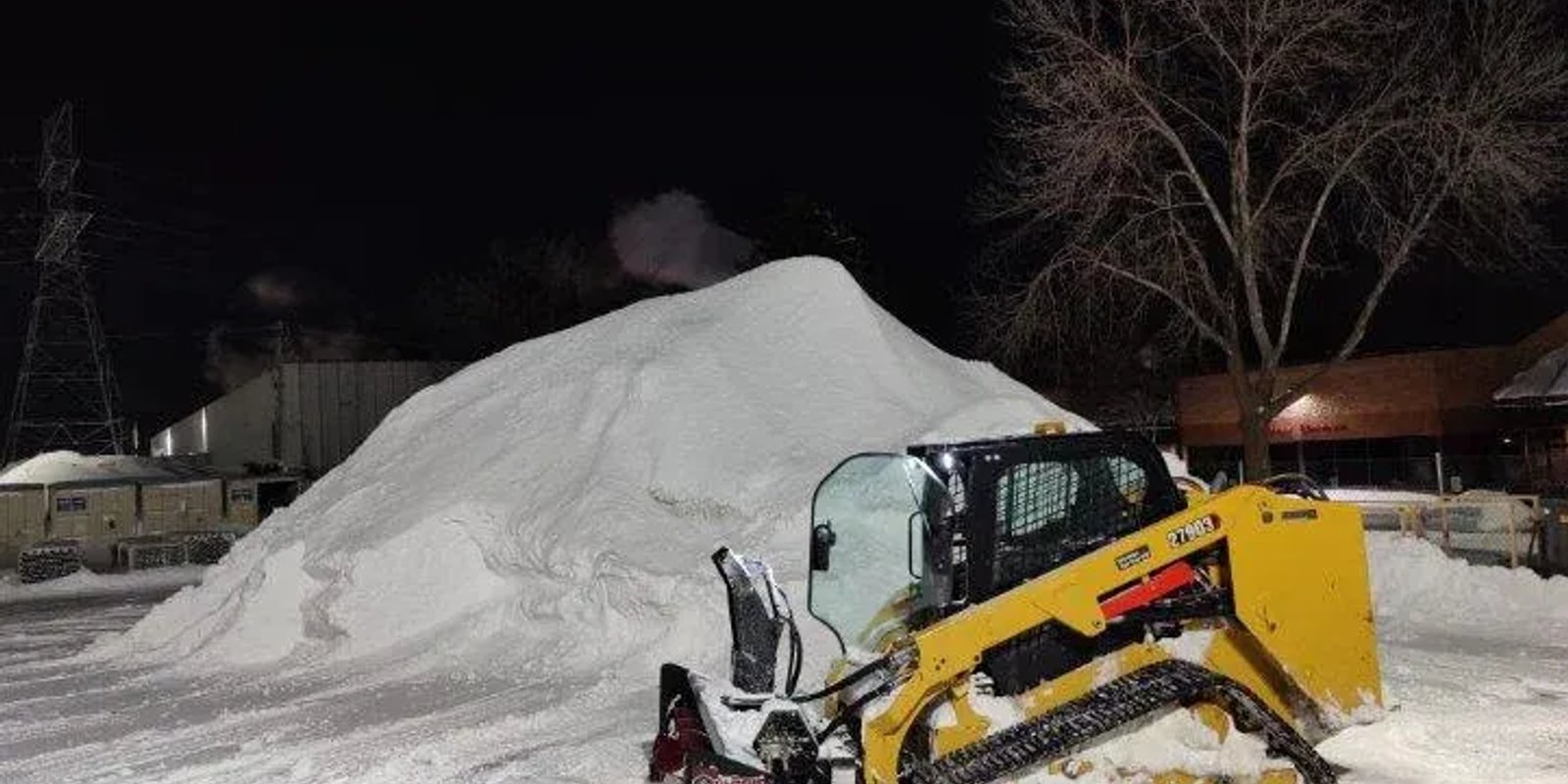
Most commercial clients choose seasonal contracts for budget predictability and guaranteed service. Our commercial snow removal services offer both options.
Mark Obstacles and Property Features
Snow removal equipment operators can't see what's hidden under snow. Marking obstacles prevents damage to your landscaping, irrigation systems, and property features.
What to mark:
Permanent features:
- Irrigation system heads and valves
- Landscape lighting (especially ground-level)
- Decorative rocks or boulders
- Flower beds and garden borders
- Young trees or shrubs
- Walkway edges
- Curbs and parking lot islands
- Storm drains
- Utility covers
Temporary obstacles:
- Seasonal decorations
- Planters or pots
- Bike racks (if removable)
- Outdoor furniture (remove if possible)
- Chains or bollards
- Sandwich boards or signs
How to mark obstacles:
Use highly visible markers that stand above expected snow depth:
- Driveway markers (reflective stakes) 4-6 feet tall
- Bright orange or pink flagging tape
- Reflective markers for night visibility
- Securely anchored (frozen ground or heavy bases)
Replace or repair damaged markers throughout winter. Snow, wind, and plows can knock them down.
Protect Landscaping and Property Features
Winter snow removal can be hard on landscaping if not properly managed. Taking preventive steps in fall protects your investment.
Protect plants and shrubs:
Young trees:
- Install protective barriers around trunks
- Avoid piling snow directly on root zones
- Communicate sensitive areas to contractor
Shrubs near walkways:
- Trim back overgrown shrubs before winter
- Consider temporary fencing for valuable plantings
- Mark locations clearly
Lawn edges:
- Define clear boundaries between turf and plowed areas
- Accept that some edge damage is normal with plowing
- Budget for spring repairs in high-traffic zones
Hardscaping protection:
Interlocking pavers:
- Ensure edge restraints are secure before winter
- Repair any loose pavers in fall
- Mark paver edges for plow operators
Concrete surfaces:
- Seal new concrete before winter
- Repair cracks in fall
- Discuss salt/sand usage with contractor (salt can damage concrete)
Drainage and Runoff Planning
Winter brings freeze-thaw cycles, and spring brings heavy runoff. Planning ahead prevents ice buildup and flooding.
Clear drainage areas:
- Clean gutters and downspouts in fall
- Ensure roof runoff directs away from walkways
- Clear storm drains near property
- Grade areas prone to ice buildup
Identify problem areas:
- Low spots where water pools
- Areas that ice up repeatedly
- Shaded walkways that stay icy
- Roof drip lines
Communicate these problem areas to your snow removal contractor. They may need extra attention for ice control or more frequent service.
Understand Snow Removal Service Triggers
Commercial snow removal contracts typically include "service triggers" - the snow accumulation threshold that activates service.
Common triggers:
- 2 inches of accumulation
- 3 inches of accumulation
- 4 inches of accumulation
Lower triggers (2 inches):
- More frequent service
- Better ongoing access
- Higher seasonal cost
- Recommended for high-traffic properties
Higher triggers (4+ inches):
- Less frequent service
- Lower seasonal cost
- Acceptable for lower-traffic properties
- May require additional ice control between plows
Discuss appropriate triggers with your contractor based on your property's traffic and access needs.
Prepare for 24/7 Winter Service
If you've contracted for 24/7 snow removal (common for commercial properties), prepare your property accordingly:
Provide property access:
- Leave gates unlocked or provide keys/codes
- Ensure parking areas are accessible at all hours
- Clear any vehicles from service areas overnight during snow events
Lighting:
- Ensure parking lot and walkway lighting functions properly
- Replace burnt-out bulbs before winter
- Consider motion-activated lights in key areas
Communication:
- Provide emergency contact information to contractor
- Establish clear communication protocols
- Designate point person for service questions
Parking management:
- Establish snow event parking rules for employees/tenants
- Communicate where vehicles should/shouldn't be during plowing
- Post clear signage if needed
Salt and Ice Control Considerations
Salt (sodium chloride) melts ice but can damage concrete, landscaping, and contaminate soil. Discuss ice control options with your contractor:
Salt (sodium chloride):
- Effective to about -10°C
- Can damage concrete and plants
- Most cost-effective option
Calcium chloride:
- Effective to about -30°C
- Less corrosive than salt
- More expensive
Sand:
- Provides traction without melting ice
- Doesn't harm plants or concrete
- Requires spring cleanup
- Less effective than salt for ice control
Eco-friendly alternatives:
- Beet juice brine
- Calcium magnesium acetate
- More expensive but less environmental impact
For properties with extensive landscaping or new concrete, discuss using less corrosive ice control products even if they cost slightly more.
Create an Emergency Plan
Winter storms can arrive fast. Have a plan ready:
Emergency contacts:
- Snow removal contractor emergency number
- Backup contractor (if primary is unavailable)
- Property management contact
- Emergency services
Priority areas:
- Identify which areas need clearing first (fire exits, main entrances)
- Communicate priorities to contractor
- Have shovels and ice melt available for emergency spot treatment
Communication plan:
- How will contractor notify you of service completion?
- How do you report issues or request additional service?
- What's the response time for emergency calls?
Fall Property Walkthrough with Contractor
Schedule a pre-winter walkthrough with your snow removal contractor:
What to cover:
- Show contractor property layout
- Point out obstacles and sensitive areas
- Discuss snow stacking locations
- Identify problem drainage areas
- Review service triggers and expectations
- Exchange contact information
- Clarify any contract questions
A 30-minute walkthrough in October prevents misunderstandings and property damage throughout winter.
Snow Removal FAQs - Edmonton
Q: When should I book snow removal for winter? A: Book in September or early October to secure quality contractors and better pricing. Waiting until November often means limited availability and higher costs.
Q: What's better for commercial properties: contract or per-push pricing? A: Seasonal contracts provide budget certainty and guaranteed service, making them better for businesses requiring reliable access. Per-push pricing works for properties with less critical access needs.
Q: How do I mark obstacles for snow removal? A: Use 4-6 foot tall driveway markers or stakes with reflective tape. Mark irrigation heads, landscape lighting, garden edges, and any obstacles that could be damaged by plows.
Q: Will snow removal damage my landscaping? A: Some minor edge damage is normal with plowing, but proper marking, communication with contractors, and protective barriers around sensitive plants minimize damage.
Q: What snow accumulation triggers snow removal service? A: Common triggers are 2–4 inches of accumulation. Lower triggers mean more frequent service and higher cost but better ongoing access. Discuss appropriate triggers with your contractor.
Q: Does salt damage concrete and plants? A: Yes, salt can damage new concrete and harm plants. Discuss using less corrosive ice control products like calcium chloride or eco-friendly alternatives if you have sensitive areas.
Q: Can I still book snow removal after snow has started? A: Yes, but expect limited availability, higher pricing, and potentially no guaranteed service levels. Book before winter for best results.
Q: Do I need to shovel if I have a snow removal contract? A: Most contracts cover parking lots and main walkways during snow events. You may still need to handle minor spot shoveling between service visits or for areas not included in your contract.
If you are ready to book snow removal for winter, we are here to help.
Contact Serene Landscaping today for a free snow removal quote!