




Published: August 2026 | Author: Serene Landscaping | Reading time: 15 minutes
Choosing the best sod for an Edmonton lawn is not as simple as asking which grass looks the greenest on delivery day. The right choice depends on how much sun the yard receives, how the property drains, how often the lawn will be used, whether pets are involved, and how much watering and maintenance the homeowner is prepared to provide.
For most sunny Edmonton properties, a quality Kentucky bluegrass blend remains the strongest all-around option. It creates the dense, dark green appearance many homeowners want and can recover from ordinary family use because it spreads through underground stems called rhizomes. Fescue-rich blends are often better suited to partial shade and lower-input areas, while qualified low-water sod can reduce irrigation needs after the lawn is fully established.
None of these options can compensate for poor grading, compacted soil or standing water. The grass matters, but the base below it matters more.
Our guide compares Kentucky bluegrass, fine and tall fescue, and low-water sod for Edmonton lawns. It also explains which option makes the most sense for sunny yards, shaded side yards, pets, children, new builds and homeowners who want a natural lawn without excessive water use.
What Is the Best Sod for Edmonton Lawns?
The best sod for most Edmonton lawns is a locally grown, cold-hardy Kentucky bluegrass blend installed over properly graded soil with adequate topsoil. It offers a familiar dark green colour, a dense surface and good recovery from normal wear.
That does not make Kentucky bluegrass the automatic answer for every property.
A fescue-rich blend may perform better where shade is the main challenge. A qualified low-water sod may be the better investment for a sunny yard where reduced irrigation is a priority. In deep shade, chronically wet soil or narrow high-traffic corridors, natural sod may not be the right surface at all.
| Sod option | Best suited to | Main strengths | Main limitations |
|---|---|---|---|
| Kentucky bluegrass | Sunny front and back yards, family lawns and open new-build lots | Dense appearance, dark green colour, strong recovery and broad availability | Requires more water and fertilizer than fine fescue and performs poorly in substantial shade |
| Fine fescue-rich blend | Partial shade, lower-input lawns and lightly used areas | Good shade tolerance, fine texture and lower mowing and irrigation requirements | Some varieties recover slowly from heavy wear |
| Turf-type tall fescue | Drier sites, moderate shade and active areas | Deep rooting, drought tolerance and good wear tolerance | Coarser texture and slower spring green-up |
| Qualified low-water sod | Sunny to partly shaded yards where water conservation matters | Natural appearance, improved drought performance and lower watering needs after establishment | Still requires consistent watering while new |
| Artificial turf or redesigned planting | Deep shade, dog runs, narrow side yards and areas where grass repeatedly fails | Consistent surface and no mowing | Higher initial cost, and the base and drainage still require proper preparation |
Why Sod Selection Matters in Edmonton
Edmonton lawns have to handle cold winters, a relatively short growing season, spring moisture, summer dry periods and repeated temperature changes.
The soil below many residential yards also contains a high proportion of clay. The City of Edmonton notes that clay loam is common locally and absorbs water slowly. When water is applied too quickly, it can run across the surface instead of penetrating the soil.
These conditions make site preparation especially important.
A successful lawn needs:
- Positive drainage away from the home
- A stable finished grade
- Enough quality topsoil for roots to establish
- Even sprinkler coverage
- A sod variety suited to the amount of sunlight
- A realistic maintenance plan
Choosing drought-tolerant or shade-tolerant grass does not solve a blocked swale, a low spot beside the foundation or compacted construction fill.
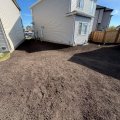
New-build properties deserve particular attention. A yard can look reasonably level while still containing hard, compacted subsoil beneath a thin layer of loose material. Before sod is selected, the contractor should confirm drainage, finished elevations, topsoil depth, access and how the lawn will meet patios, walkways, fences, window wells and neighbouring grades.
Sod Is Usually a Blend, Not a Single Grass
Homeowners often hear product names such as:
- Kentucky bluegrass sod
- Fescue sod
- Sun-and-shade sod
- Premium sod
- Low-water sod
- Drought-tolerant sod
Those labels are useful, but they do not always tell the whole story.
A sod product may contain one turfgrass species with several cultivars, or it may combine two or more species. Kentucky bluegrass and fine fescue, for example, are frequently used together to balance appearance, recovery, shade tolerance and maintenance needs.
A cultivar is a selected variety within a species. Two Kentucky bluegrass cultivars can perform differently even though both are Kentucky bluegrass. The same principle applies to fescues.
This is why homeowners should ask for the current product specification instead of relying only on a broad label.
Low-water sod is a good example. It is not automatically a separate species of grass, and it does not always mean fescue. It may be a blend of drought-qualified Kentucky bluegrass cultivars selected to stay active longer with less irrigation.
Product formulations can also change. The current supplier specification matters more than a five-year-old description copied from a distributor's website.
Kentucky Bluegrass Sod: The Best All-Around Choice for Many Edmonton Yards
Kentucky bluegrass is the standard many homeowners picture when they imagine a finished lawn. It has a fine to medium texture, a rich green appearance and the ability to form a dense surface when it receives adequate sunlight, water, nutrients and mowing.
Its biggest practical advantage is its growth habit.
Kentucky bluegrass spreads through rhizomes below the soil surface. Those rhizomes allow healthy turf to fill small gaps and recover from ordinary wear better than many bunch-forming grasses. University of Minnesota Extension identifies Kentucky bluegrass as a dark green, rhizome-spreading turfgrass with fast recovery, while also noting that it generally requires more water and fertilizer than most other cool-season turfgrasses.
That makes it a strong choice for:
- Family backyards
- Sunny front lawns
- Children's play areas
- Open new-build lots
- Properties where appearance is a priority
- Lawns exposed to moderate foot traffic
- Areas that may occasionally need to repair small damaged spots
Advantages of Kentucky Bluegrass
Kentucky bluegrass is well suited to many Edmonton residential landscapes because it offers:
- A dense, uniform appearance
- Dark green colour
- Good cold tolerance
- Strong recovery from moderate traffic
- The ability to repair small damaged areas
- Broad availability as sod
- A familiar texture that can blend with many established lawns
It is especially effective in open areas with reliable sunlight and a practical watering plan.
On a properly prepared new-build lot, Kentucky bluegrass can create a finished, usable surface quickly while helping stabilize exposed soil.
Limitations of Kentucky Bluegrass
Kentucky bluegrass is not a low-maintenance miracle, despite the way a newly installed lawn behaves in contractor photographs.
It generally requires more irrigation, fertilizer and mowing than fine fescue. It may also thin in areas with substantial building or tree shade.
During extended dry weather, established Kentucky bluegrass may enter dormancy and turn brown. Dormancy is a survival response and does not automatically mean the lawn is dead. Healthy bluegrass can often recover when moisture and cooler conditions return.
New sod is different. Recently installed Kentucky bluegrass cannot be allowed to dry out while its roots are establishing in the soil below.
Kentucky bluegrass is usually not the best choice where:
- The yard receives limited light for most of the day
- Drainage is poor
- Irrigation is unavailable during establishment
- The homeowner wants the lowest possible maintenance
- A dog repeatedly uses one small area
- Heavy traffic is concentrated through a narrow path
In those situations, a different blend or an entirely different surface may provide a better result.
Fescue Sod and Fescue Blends: Better for Shade and Lower-Input Areas
"Fescue" is not one single type of grass.
The term covers several turfgrasses with different textures, growth habits and maintenance requirements. The two categories homeowners are most likely to encounter are fine fescues and turf-type tall fescue.
Understanding that distinction matters. A contractor who recommends "fescue" without explaining which type has not really answered the question.
Fine Fescues
Fine fescues include:
- Strong creeping red fescue
- Slender creeping red fescue
- Chewings fescue
- Hard fescue
- Sheep fescue
They are grouped together because of their relatively narrow leaf blades, but they do not all behave the same way.
Strong and slender creeping red fescues spread through rhizomes. Chewings, hard and sheep fescues grow mainly as bunch grasses. Their colour, shade tolerance, drought resistance and ability to handle traffic also vary.
Fine fescues are generally known for better shade tolerance and lower maintenance requirements than Kentucky bluegrass. They usually need less irrigation, mowing and fertilizer. Several fine fescue types also provide good to excellent drought resistance.
Where Fine Fescue Works Best
A fine fescue-rich blend can be a strong fit for:
- Partly shaded front yards
- Side yards with limited direct sunlight
- Lawns beneath open tree canopies
- Decorative turf with light foot traffic
- Homeowners who prefer a softer, finer texture
- Properties where lower fertilizer use is important
- Lawns where reduced mowing is a priority
Fine fescue is not always the best choice for a backyard that hosts constant games, large dogs or repeated traffic along the same route.
Some fine fescues handle wear better than others, but several varieties recover less aggressively than Kentucky bluegrass. Heavy traffic during hot or dry conditions can cause noticeable damage.
A blend that combines creeping fescue with Kentucky bluegrass may offer a better balance of shade performance, colour and recovery.
Turf-Type Tall Fescue
Turf-type tall fescue is different from fine fescue.
It typically has a coarser blade and a deeper root system. It can provide strong drought, heat and wear tolerance and may perform in moderate shade. University of Minnesota Extension describes turf-type tall fescue as deep-rooted, drought-tolerant, traffic-tolerant and slightly coarser than Kentucky bluegrass.
The tradeoff is appearance and consistency.
Tall fescue can look noticeably coarser beside a fine Kentucky bluegrass lawn. It may also green up more slowly in spring.
Before choosing it, confirm:
- Whether it is available locally as sod
- How its colour will compare with existing turf
- Whether it will be used alone or in a blend
- What mowing height is recommended
- Whether the area receives enough light
- How the lawn will be repaired if isolated sections are damaged
Questions to Ask About Fescue Sod
Before choosing a fescue product, ask:
- Which fescue species are included?
- Is the sod primarily fine fescue, tall fescue or a mixture?
- Does the blend include Kentucky bluegrass?
- How much shade can it realistically tolerate?
- Is it intended for light use or regular family traffic?
- Will its colour and texture match the existing lawn?
- What watering and mowing height does the supplier recommend?
- Is matching seed available for future repairs?
A professional answer should be more specific than "fescue is drought tolerant." That statement is too broad to guide an installation decision.
Low-Water Sod: What the Label Actually Means
Low-water sod is designed for homeowners who want a natural lawn with improved drought performance.
A qualified product uses cultivars selected and tested against defined water-conservation criteria. Manderley's western Less Water Sod, which is Alberta-grown, is marketed as a Turfgrass Water Conservation Alliance qualified product. The manufacturer states that it can require up to 50 percent less water than conventional grass once established.
The phrase once established matters.
New low-water sod must still be watered consistently while its roots grow into the soil below. The product becomes more water-efficient after establishment. It is not exempt from the fairly inconvenient fact that freshly harvested grass is still alive.
Advantages of Low-Water Sod
A quality low-water blend may provide:
- A natural lawn with a familiar green appearance
- Better performance during dry conditions
- Reduced irrigation requirements after establishment
- Good durability for active residential yards
- Cold-climate suitability
- A practical middle ground between conventional sod and artificial turf
For a sunny Edmonton yard with adequate soil and drainage, low-water sod can be an excellent option.
It is especially appealing where the homeowner wants to reduce water use without replacing the lawn with decorative rock, mulch or synthetic turf.
What Low-Water Sod Does Not Fix
Low-water sod cannot correct:
- Negative grade toward the foundation
- Standing water after rain
- Compacted subsoil
- A blocked drainage swale
- Deep shade
- Poor sprinkler coverage
- Inconsistent watering during establishment
- Pet damage concentrated in one small area
It also does not mean no maintenance.
The lawn still needs mowing, occasional fertilization, aeration when compacted and enough moisture to remain healthy through prolonged dry conditions.
Not Sure Which Sod Fits Your Yard?
We'll assess your sun, shade, and soil conditions on-site and recommend the right sod, then install it.
Best Sod for Different Edmonton Yard Conditions
The most useful way to choose sod is to start with the site, not the product brochure.
Best Sod for a Sunny Front Yard
For a sunny front yard where curb appeal is the priority, Kentucky bluegrass or a drought-qualified bluegrass blend is usually the strongest choice.
Both can create a dense, polished surface when the finished grade, soil and irrigation are right.
Choose conventional Kentucky bluegrass when:
- A dense, classic lawn is the main goal
- The yard receives reliable sunlight
- Regular watering is available
- Small areas may need to recover from occasional wear
- The lawn must blend into existing bluegrass
Choose a qualified low-water product when:
- Water conservation is a priority
- The property receives full sun or light partial shade
- The homeowner still wants natural grass
- The lawn will receive regular use
- The homeowner understands that establishment watering is still required
Best Sod for a Shaded Edmonton Yard
For partial shade, a fine fescue-rich blend may outperform standard Kentucky bluegrass.
Fine fescues tolerate shade better and can maintain acceptable lawn quality with lower fertilizer and irrigation inputs.
Shade tolerance still has limits. Grass needs light to produce energy.
If a narrow side yard receives very little direct or filtered light, stays wet and carries regular foot traffic, changing the sod species may only delay another failure.
Better alternatives may include:
- Artificial turf
- Stepping stones
- Paving stones
- Decorative gravel
- Mulch
- A shade-tolerant planting bed
- A combination of hardscape and planting
The right answer is not always another roll of grass.
Best Sod for Dogs
For a broad backyard used by dogs, Kentucky bluegrass or a durable low-water blend is often the most practical natural option.
Healthy Kentucky bluegrass can spread and repair smaller damaged areas. A traffic-rated low-water product may also work well where the lawn receives good sunlight and drainage.
The layout matters as much as the grass species.
No natural sod performs well when a large dog repeatedly uses the same two-square-metre section. Pet urine, fence-line running, turning, digging and compacted soil can overwhelm the lawn.
For high-use pet areas, consider combining natural sod with:
- A designated dog run
- Artificial turf
- Pavers
- Gravel
- Improved drainage
- A wider travel path along the fence
- Regular rinsing and lawn repair
A mixed-material design often performs better than expecting one grass variety to survive every indignity a dog can invent.
Best Sod for Children and Family Use
Kentucky bluegrass remains a strong choice for active family lawns because of its density and recovery.
A qualified low-water blend may also work well if the product is intended for regular traffic.
For a play area, the base should remain firm without becoming waterlogged. Depressions, soft soil and poor drainage create more damage than the grass species itself.
Keep children, pets and regular foot traffic off new sod until roots have begun attaching firmly to the soil.
Best Sod for a New-Build Property
The best sod for a new-build property is the product that matches the site after final grading has been confirmed.
On most open lots, Kentucky bluegrass or low-water sod will be appropriate. In narrow side yards, north-facing spaces or areas shaded between closely spaced homes, a fescue-rich blend or non-lawn treatment may be more suitable.
The correct order is:
- Confirm drainage and finished elevations
- Correct low and high areas
- Install an appropriate depth of quality topsoil
- Fine-grade and lightly firm the surface
- Install fresh sod promptly
- Fit seams tightly and stagger the joints
- Roll the lawn for soil contact
- Begin watering immediately
Serene Landscaping's current sod installation process includes four to six inches of screened topsoil, grade and drainage confirmation, tight staggered seams and written aftercare guidance.
That preparation gives any sod variety a fair chance to establish.
Best Sod for a Low-Maintenance Lawn
A fine fescue-rich blend or qualified low-water sod can reduce maintenance, but they reduce different kinds of work.
Fine fescue generally requires less mowing, fertilizer and irrigation. Low-water sod is intended primarily to reduce water requirements after establishment while preserving the appearance and durability of a conventional lawn.
The right choice depends on:
- Sunlight
- Traffic
- Irrigation access
- Desired colour
- Desired texture
- Tolerance for seasonal dormancy
- Mowing expectations
- Whether pets use the space
A smaller, well-designed lawn may also be more practical than covering every available square foot with grass.
Combining sod with planting beds, mulch, pavers or artificial turf in difficult locations often produces a better-looking yard with less long-term work.
The Base Matters More Than the Sod Variety
Homeowners naturally focus on the visible product, but many sod failures begin below the grass.
A properly prepared base should provide:
- Positive drainage away from buildings
- Smooth transitions to patios, walks and beds
- Enough quality topsoil for root development
- A firm surface that is not heavily compacted
- No low areas that collect water
- No buried debris or unstable fill
- Full contact between the sod and soil
- Finished elevations that preserve drainage routes
Installing premium sod over poor soil does not create a premium lawn. It creates expensive grass sitting on the same unresolved problem.
Edmonton's lot-grading requirements are intended to direct surface water away from buildings and toward an appropriate drainage path. Sod installation should preserve that pattern rather than blocking it.
Adding soil carelessly, filling a drainage swale or raising turf too high beside hard surfaces can create water and lawn problems for the home or neighbouring properties.
Why Fresh Sod Matters
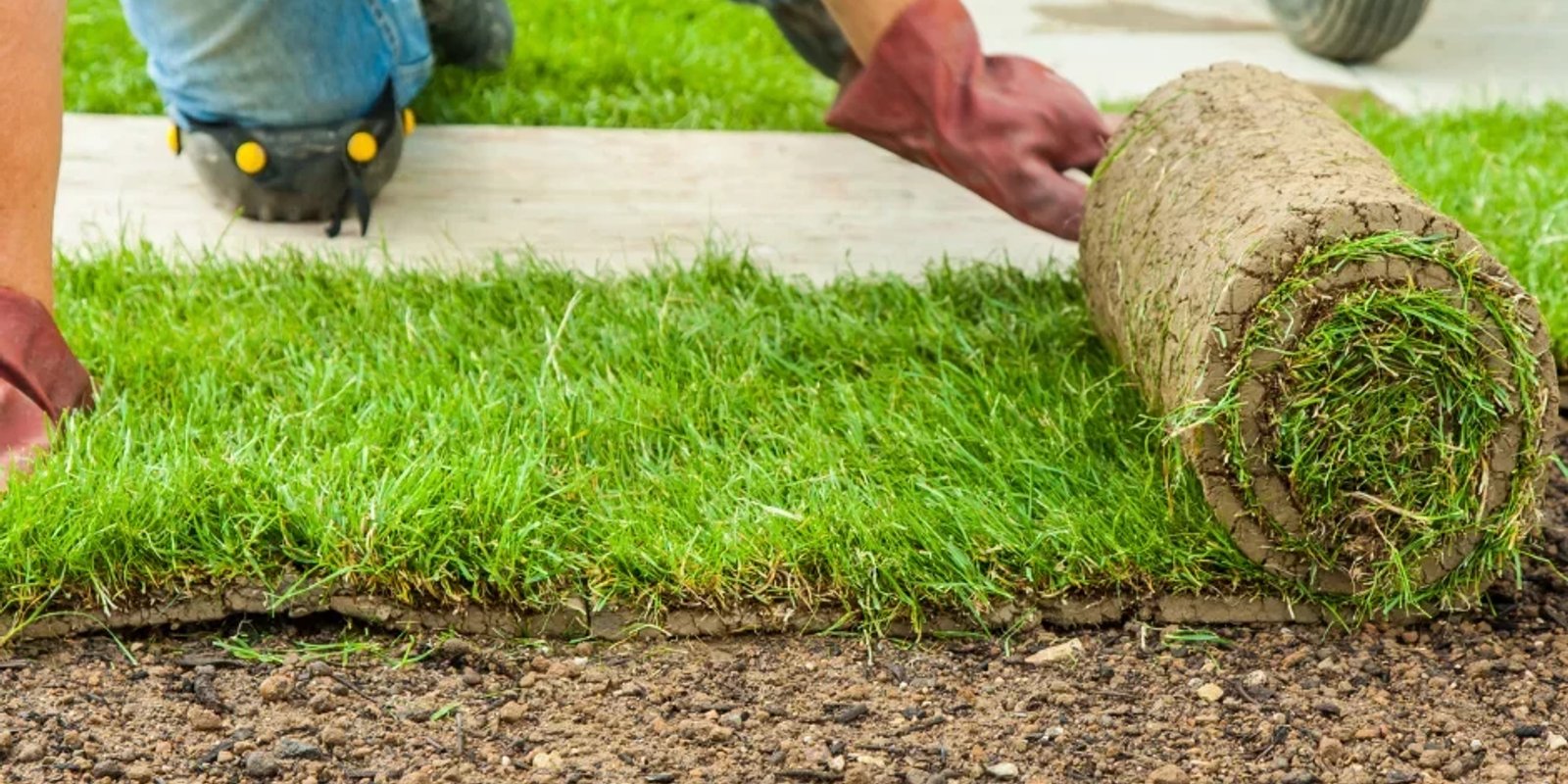
Sod is harvested with a limited amount of soil attached to its roots.
Once it is cut and rolled, the turf begins losing moisture. Heat can also build inside stacked rolls. Sod should be installed promptly rather than left sitting through a hot afternoon or overnight.
Manderley's installation guidance describes sod as a living, perishable product and recommends installing it immediately after delivery.
Fresh sod should have:
- Consistent colour
- Moist soil on the underside
- Strong rolls that hold together
- Even thickness
- No sour or overheated smell
- No brittle, dried edges
Product quality, delivery timing and installation coordination matter as much as the name printed on the order.
How to Compare Sod Installation Quotes
Two sod quotes can use the same square footage and still describe very different projects.
Before comparing the final price, compare the scope.
A professional sod installation quote should explain:
- The exact sod product or blend
- Whether existing turf and debris will be removed
- The depth and type of topsoil included
- Whether grading corrections are included
- How drainage concerns will be addressed
- How materials will reach the backyard
- Whether equipment access is available
- How edges and hardscape transitions will be finished
- Whether rolling and initial watering are included
- What aftercare instructions are provided
- What workmanship or landscape warranty applies
- When payment is due
The lowest quote may simply include less preparation.
That difference often becomes visible later through dry seams, low spots, uneven settlement, poor rooting or drainage problems.
New Sod Care Is Essential for Every Variety
Kentucky bluegrass, fescue and low-water sod all need consistent care during establishment.
Water immediately after installation. The sod and the upper soil below it should remain evenly moist, but the yard should not be left with standing water.
Edmonton's clay-heavy soils absorb moisture slowly, so sprinkler run times may need to be divided into shorter cycles to reduce surface runoff.
During the first stage of establishment:
- Keep the sod consistently moist
- Check seams, edges and corners because they dry first
- Avoid regular foot traffic
- Move sprinklers carefully
- Watch sunny slopes and areas beside concrete
- Adjust watering for rainfall
- Reduce watering gradually as roots establish
Manderley recommends watering new sod deeply and evenly while avoiding both frequent shallow watering and excessive saturation. The company also advises reducing irrigation only after the sod resists being lifted, which indicates that roots have begun establishing.
The first mow should happen after the sod has rooted and the grass has reached an appropriate height.
Use a sharp blade, mow when the surface is reasonably dry and remove no more than one-third of the blade at one time.
Low-water sod does not receive a shortened establishment schedule simply because it is drought qualified. Its reduced water demand applies after rooting.
Common Sod Selection Mistakes
Choosing by Colour Alone
Colour changes with cultivar, moisture, fertility, mowing and season. A dark green roll on delivery day is not proof that it is the best product for the property.
Treating All Fescue as the Same
Fine fescue and tall fescue have different blade widths, growth habits and maintenance requirements. The exact species and blend matter.
Assuming Low-Water Means No Water
Qualified low-water sod still needs regular irrigation during establishment and supplemental water during prolonged dry periods.
Ignoring Shade
A full-sun product will not become shade tolerant because it receives more fertilizer. Excess fertilizer in a low-light area can create weak growth without solving the underlying lack of sunlight.
Ignoring Drainage
Yellowing, thinning, soft soil and root decline can all result from excess moisture. Drought tolerance is irrelevant when the lawn sits in a low spot.
Installing a Different Texture Beside Existing Turf
A coarse tall fescue section beside fine Kentucky bluegrass may remain visibly different. Ask how the new sod will match the established lawn.
Buying Without a Current Product Specification
Supplier blends can change. Ask for current cultivar or seed information, especially when drought tolerance or shade performance is the main reason for choosing the product.
Expecting Sod to Fix the Old Lawn's Problems
If an existing lawn failed because of poor drainage, inadequate soil or heavy shade, laying new sod over the same conditions will usually recreate the same result.
Questions to Ask a Sod Installer
Before approving sod installation in Edmonton, ask:
- Which sod product do you recommend for this yard, and why?
- What species and cultivars are in the current blend?
- Is the product suitable for the amount of shade?
- How will you confirm grade and drainage?
- How much screened topsoil is included?
- Will the sod be delivered and installed promptly?
- How will seams, slopes and edges be handled?
- What watering schedule will be provided?
- How soon can the lawn be mowed and used?
- What warranty applies to the installation?
- Is matching seed available for future repairs?
- Are removal, disposal and cleanup included?
A good contractor should explain the recommendation in terms of the property.
"This is what we always use" is not a site assessment.
Frequently Asked Questions About Sod for Edmonton Lawns
Is Kentucky bluegrass the best sod for Edmonton?
For many sunny residential lawns, yes.
Kentucky bluegrass is dense, attractive and able to recover from moderate wear. It is less suitable for substantial shade, poor drainage or homeowners seeking the lowest possible maintenance.
Is fescue better than Kentucky bluegrass?
Fescue is often better where shade, drought tolerance or reduced maintenance is the main priority.
Kentucky bluegrass is generally better where dense appearance and recovery from traffic matter most. A blended product can combine some of the strengths of both.
What is the best sod for a shaded backyard in Edmonton?
A fine fescue-rich blend is usually the first natural-grass option to consider.
If the area receives very little light, stays wet or carries frequent traffic, artificial turf or a non-lawn landscape treatment may perform better.
Does low-water sod really use less water?
Qualified low-water sod is selected for improved drought performance.
Manufacturers may rate certain products for substantially lower irrigation after establishment, but actual water savings depend on the cultivar, soil, mowing height, weather, irrigation efficiency and how green the homeowner expects the lawn to remain.
Does low-water sod need regular watering when it is new?
Yes.
New low-water sod must remain consistently moist while its roots establish. Its reduced water requirement applies to the established lawn, not the first days after installation.
What is the best sod for dogs?
Kentucky bluegrass or a durable low-water blend is often the best natural-grass choice for a broad dog-friendly yard because of density and recovery.
A concentrated dog run may need artificial turf, gravel, pavers or another durable surface.
Can sod be installed directly over Edmonton clay?
Sod should not be installed directly over heavily compacted clay or construction fill.
The site needs suitable grading and enough quality topsoil to support root development, drainage and air movement.
Will new sod match my existing lawn?
It may not match immediately.
Colour, blade width, density and growth rate vary by species and cultivar. Matching the existing turf type and allowing time for the new lawn to mature will improve the transition.
Should I choose sod before final grading?
The lawn plan can be discussed early, but final product selection should account for the completed grade, sunlight, drainage and intended use.
Final grading and drainage concerns should be resolved before sod is installed.
Can I use different sod varieties in different parts of the yard?
Yes, but the colour and texture may not match perfectly.
Using a fescue-rich blend in a shaded side yard and bluegrass in a sunny backyard can make practical sense, provided the transition is planned carefully.
Choose Sod for the Yard You Actually Have
The best sod for an Edmonton lawn is not determined by one feature. It is the product that fits the property's sunlight, drainage, soil, traffic, watering plan and maintenance expectations.
For most sunny family lawns, Kentucky bluegrass remains the strongest all-around choice.
For partial shade and lower-input areas, a fine fescue-rich blend may perform better.
For homeowners who want natural grass with reduced irrigation after establishment, a qualified low-water sod can be a smart investment.
The final result still depends on preparation. Proper grading, adequate topsoil, fresh sod, tight seams, full soil contact and consistent watering matter more than a premium label on its own.
Serene Landscaping installs sod across Edmonton, St. Albert, Sherwood Park, Spruce Grove and surrounding communities. Our team assesses the grade, drainage, sunlight, access and intended use before recommending a lawn product.
We coordinate base preparation and sod installation in one clear scope, provide written aftercare guidance and require no upfront deposit.
Contact Serene Landscaping for a free on-site sod installation quote and a practical recommendation for your property.
Get a Firm Price for Your Yard
Tell us what you're planning. We'll come out, look at the site and give you a free quote. Serving Edmonton, St. Albert, Sherwood Park and Spruce Grove.